- Company
-
Products
-
Livingroom
-
Modern
- Classic
How to Choose Quality Outdoor Furniture: A Buyer'sGuide for Discerning Homeowners
Posted on: 05/04/2026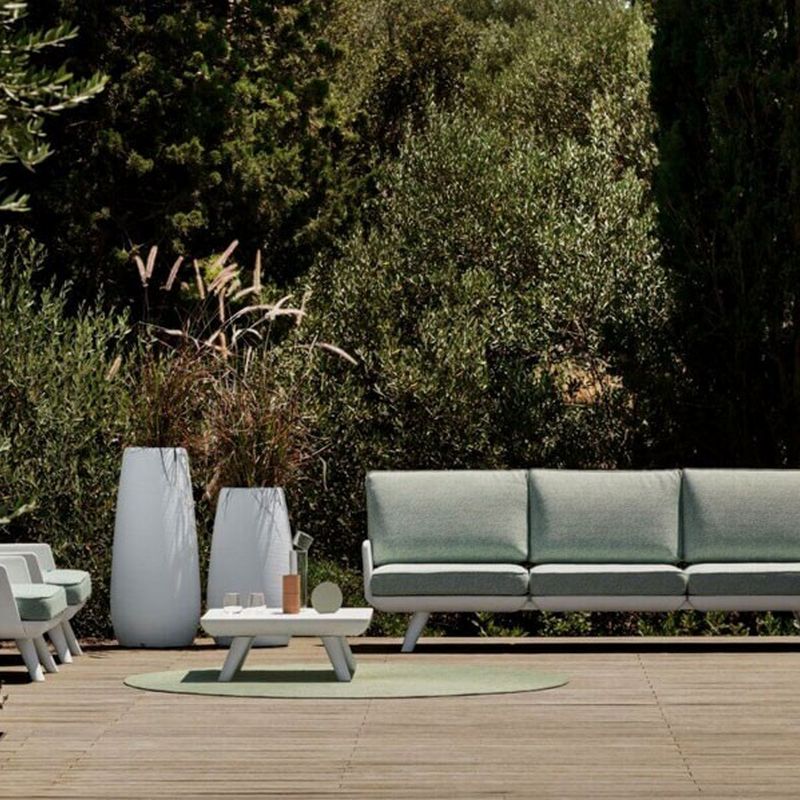 Outdoor furniture is one of the most rewarding investments you can make in a home, and one of the most frequently misjudged. Walk into any large furniture retailer, and you will find rows of garden sets that look attractive in the showroom but begin to fade, warp, and deteriorate within a single season outdoors.
The difference between furniture that lasts a summer and furniture that lasts a decade is not always obvious at first glance. It lives in the materials, the construction methods, the design philosophy, and, above all, the manufacturer's honesty about what their product is actually built to do.
This guide is written for homeowners who want to get it right. Whether you are furnishing a terrace with a view, a garden designed for long summer evenings, or an outdoor dining area that doubles as an entertainment space, the principles below will help you make a confident, informed decision.
1. Start With the Right Question: What Will Your Outdoor Furniture Actually Face?
Before you consider style or price, consider your environment. Outdoor furniture in Northern Europe faces very different challenges from outdoor furniture in Southern Greece. The Peloponnese and the wider Mediterranean coastline presents a specific set of conditions that not all furniture is equipped to handle:
- Intense UV exposure for 6–8 months of the year, which degrades fabrics and fades finishes
- High summer temperatures that cause certain materials to warp, expand, or off-gas
- Coastal salt air (for properties near the sea), which accelerates corrosion in metals and deteriorates synthetic fibres
- Occasional rain and humidity, even in summer, which tests water-resistance and drainage design
- Heavy use during peak season hospitality-grade durability is not just for hotels
Once you understand what your furniture will face, you can evaluate products against those specific demands rather than being swayed by showroom lighting or a price that seems reasonable in isolation.
2. The Fabric Test: What Separates Outdoor Upholstery from Indoor Upholstery
Upholstery is where the most visible quality differences emerge and where cheap outdoor furniture fails first. Many products marketed as 'outdoor' use fabrics that are technically water-resistant for a season or two but are not genuinely designed for continuous outdoor exposure.
What to Look For
- Solution-dyed acrylic or high-performance polyolefin fabrics, the colour is built into the fibre, not applied as a surface coating, so it resists UV fading significantly better than standard outdoor fabrics
- Water-repellency that is structural, not a temporary spray treatment, squeezes the fabric between your fingers; quality outdoor fabric has a noticeable density and weight to it
- Mould and mildew-resistant fabrics in humid coastal environments need active resistance, not just water repellency
- Breathability, completely waterproof fabrics can trap moisture inside cushions; quality outdoor cushions are designed with drainage and airflow in mind
- Removable covers a practical indicator of confidence in long-term use; manufacturers who expect their fabric to last offer covers you can remove and clean
What to Avoid
- Vague descriptions like 'outdoor fabric' or 'weather-treated' without specification of the fibre type or treatment standard
- Fabrics that feel lightweight, plasticky, or have a glossy sheen. These are typically low-grade polyesters not suitable for sustained outdoor use
- Fixed, non-removable cushion covers on expensive pieces. This is a design shortcut, not a premium feature
3. Frame Materials: The Skeleton Tells You Everything
The frame is what you are really buying when you invest in outdoor furniture. Cushions can be replaced; a failed frame cannot. Here is how the most common frame materials compare in a Mediterranean outdoor context:
Powder-Coated Aluminium
The gold standard for most luxury outdoor furniture. Aluminium does not rust, is lightweight, and when powder-coated, maintains its finish under sustained UV and coastal exposure. Look for a thickness of at least 2mm in structural components. Thin-walled aluminium frames flex under load and loosen at the joints over time.
Marine-Grade Stainless Steel
Used in premium pieces for structural elements and hardware. Grade 316 stainless is the specification to look for in coastal environments. Grade 304 is adequate inland but can surface-rust near salt air.
High-Density Polyethylene (HDPE) / Recycled Plastic
An increasingly popular choice for contract outdoor furniture. HDPE is impervious to water, UV-stable, and requires almost no maintenance. High-quality HDPE furniture is heavier and more rigid than budget alternatives. Weight is a reasonable proxy for density and quality here.
Teak
The classic choice for outdoor furniture. Genuine Grade A teak taken from mature trees is dense, naturally oily, and extraordinarily resistant to the elements. It requires periodic oiling to maintain its warm colour, but left untreated, it weathers gracefully to a silver-grey. Be cautious of 'teak-look' products that use lower-grade wood species with a surface stain.
What to Avoid
- Untreated steel in any outdoor application will rust
- MDF or particle board in frames marketed as 'outdoor', these materials absorb moisture and fail rapidly
- Thin-walled aluminium with lightweight joints wobbles the frame in the showroom; quality frames feel solid and still
Design as Function: Why the Best Outdoor Furniture Looks the Way It Does
In quality outdoor furniture, form and function are inseparable. The design decisions that make a piece visually distinctive are often the same decisions that make it perform better outdoors. Here are some design principles worth understanding:
4. Low-Profile Seating
Furniture with a lower centre of gravity is inherently more stable outdoors, less susceptible to tipping in wind, and more visually grounded in open spaces. The low, wide seating surface also creates a different physical experience: a sense of ease and openness rather than formality. This approach, borrowed from Japanese interior traditions, is increasingly popular in luxury outdoor furniture because it works exceptionally well on terraces and pool decks, where you want the architecture and landscape, not the furniture, to visually dominate.
Modular Systems
A modular outdoor sofa is not just a stylistic preference it is a practical solution. Fixed configurations lock you into a single layout; modular systems adapt to changing needs, irregular terrace shapes, and different occasions. A well-designed modular outdoor collection lets you start with a compact arrangement and expand it over time or reconfigure it entirely for different uses. When evaluating modular outdoor furniture, ensure the connection mechanism between modules is robust and that the pieces align cleanly, with no visible gaps or mismatches.
Clean Lines and Considered Proportions
Outdoor furniture with overly ornate detailing tends to age poorly. Decorative elements trap dirt, hold moisture, and go in and out of fashion. The most durable aesthetic choice, both literally and stylistically, is clean, geometric lines with considered proportions. This is why much of the best luxury outdoor furniture currently available has converged on a minimal, architectural vocabulary: it is timeless, it performs well, and it allows the landscape to remain the protagonist.
5. The Contract Standard: Why Hospitality-Grade Matters for Residential Buyers
One of the most useful ways to evaluate outdoor furniture is to ask: would a luxury hotel or resort buy this?
Contract-grade outdoor furniture the category used by hotels, resorts, restaurants, and public spaces, is engineered to a fundamentally different standard from retail consumer furniture. It must withstand continuous use, aggressive cleaning, direct exposure to the elements, and the scrutiny of guests who are paying for a premium experience.
The good news for residential buyers is that contract-grade quality is increasingly available through premium furniture retailers, and it represents exceptional value over a 10-year horizon compared to replacing lower-grade furniture every 2–3 seasons.
When a manufacturer or retailer tells you their outdoor furniture is suitable for both residential and contract environments, that is a meaningful quality signal not marketing language. Ask them specifically what contract projects it has been used in, and what the warranty covers in a commercial context.
6. Seven Questions to Ask Before You Buy
Use these questions to pressure-test any outdoor furniture you are considering:
- What specific fabric type is used in the upholstery, and what is its UV and weather-resistance rating?
- What is the frame material, and what is the wall thickness? Is the frame welded or bolted at the joints?
- Is this furniture suitable for coastal environments with salt air?
- What is the manufacturer's warranty, and what does it cover? Does it cover outdoor use specifically?
- Are replacement cushions or covers available if I need them in 5 years?
- Has this collection been used in hotel or hospitality projects?
- What maintenance does this furniture require annually?
A knowledgeable retailer or manufacturer should be able to answer all of these questions confidently and specifically. Vague answers or deflection are a warning sign.
Q&A: Outdoor Furniture Questions From Homeowners in the Kalamata Area
We regularly hear from English-speaking homeowners across the Peloponnese, from Kalamata to the Mani, the Messinian coastline, and the surrounding villages who are furnishing modern and luxurious properties and want to get their outdoor spaces right. Here are the questions we hear most often.
Q: We have just finished building a contemporary house near Kalamata with a large terrace overlooking the sea. We want outdoor furniture that looks sophisticated and can handle the coastal conditions. Where do we start? A: Start with the frame material. For a coastal property, especially one with direct sea views where salt air is a factor, powder-coated aluminium or marine-grade stainless steel are your safest structural choices. Avoid any untreated iron or low-grade steel hardware, even in decorative details. For upholstery, specify a solution - dyed acrylic or high-performance polyolefin fabric; these are engineered for UV and salt-air resistance. Aesthetically, a low-profile modular sofa in a neutral, architectural palette will complement contemporary architecture without competing with your sea view. The landscape should be the star; the furniture should frame it.
Q: We are expats living in the Mani, and we entertain a lot outdoors. We want a lounge area that works for both intimate evenings and larger gatherings. What type of outdoor furniture handles this kind of flexibility? A: A modular outdoor lounge system is exactly what you need. Unlike fixed sofas or rigid dining sets, a quality modular collection allows you to reconfigure the layout depending on the occasion, a tighter, more intimate arrangement for small groups, an open U-shape or L-shape for larger gatherings. When choosing a modular system, prioritise pieces that connect cleanly and sit at the same height so the composition looks intentional rather than assembled from mismatched parts. A low seating height also works particularly well for outdoor entertaining, creating a relaxed, convivial atmosphere that is less formal than standard sofa heights.
Q: We bought outdoor furniture from a large retailer three years ago, and it's already deteriorating. The fabric is fading, and the frame has some surface rust. What did we get wrong and how do we avoid it next time? A: What you experienced is unfortunately very common with retail-grade outdoor furniture sold in mass-market channels. The most likely issues: the fabric was a standard polyester with a water-repellent coating rather than a genuinely UV-stable fibre, and the frame was likely mild steel with a paint finish rather than aluminium or properly treated stainless. For your next purchase, ask specifically for the fabric specification 'Outdoor fabric' is not a specification; it is a category. Ask for the fibre type, UV hours rating, and whether the colour is solution-dyed. For the frame, insist on aluminium or ask for the steel specification and treatment standard. Spending 30-40% more upfront on genuinely contract-grade outdoor furniture will cost you less over a 10-year period than replacing cheaper furniture every 3-4 years.
Q: We are renovating an old stone house in a village outside Kalamata and want outdoor furniture that feels luxurious but also appropriate to the traditional setting. Is minimal, contemporary outdoor furniture the right choice? A: Contemporary minimal outdoor furniture often works surprisingly well in traditional stone settings. The contrast between ancient architecture and clean-lined modern furniture creates a sophisticated tension that feels intentional rather than mismatched. The key is choosing pieces with natural material finishes and neutral colour palettes rather than anything too industrial or urban. A low-profile sofa in a warm sand or linen tone, with a solid frame and generous proportions, can feel simultaneously contemporary and timeless against a stone wall. Avoid anything too shiny, angular, or technologically conspicuous. The furniture should feel like it belongs to the landscape, even if its design vocabulary is clearly modern.
Q: How do I know if an outdoor furniture retailer in Greece actually knows what they are selling, or whether they are just reselling whatever is cheapest from a catalogue? A: Ask them questions that they cannot answer from a brochure. Ask about the specific fabric specification, fibre type, UV rating, and water-repellency method. Ask about the frame wall thickness and joint construction. Ask whether the furniture has been used in hotel or hospitality projects. Ask what the warranty covers and what it excludes. A retailer who genuinely knows their products will answer these questions confidently and specifically. One who is simply reselling catalogue stock will be vague, redirect to marketing materials, or change the subject. Also, look for retailers who carry a curated, limited selection of brands rather than hundreds of products it is a signal that they have actually vetted what they sell rather than simply offering volume.
Q: We have a pool area and a separate covered terrace. Do we need different outdoor furniture for each area, or can the same collection work in both? A: A quality modular outdoor collection should work in both environments, but with some nuance. Pool-side furniture faces the most demanding conditions: direct sun, chlorine splash, and frequent wet contact. For this area, prioritise the most UV-stable and water-resistant fabric options within your chosen collection, and consider whether the cushions have drainage designed in. For a covered terrace which has shade and some protection from rain you have slightly more flexibility, and you might prioritise comfort and aesthetics slightly more than pure technical performance. Using the same design collection across both areas creates visual coherence and a sense of intention across your outdoor spaces, which is generally the more elegant outcome.
A Final Word: Buy Once, Buy Well
The outdoor furniture market is full of products designed to look good in photographs and on showroom floors. The ones worth buying are designed to perform season after season, in real conditions and real use.
The principles in this guide are not complicated, but they require you to slow down and ask the right questions before you commit. The homeowners who regret their outdoor furniture purchases almost always made the same mistake: they prioritised how something looked over what it was made of and how it was built.
The homeowners who are still enjoying the same outdoor furniture a decade later almost always made the same discovery: the right pieces, from the right manufacturers, sold by retailers who actually know the difference, are worth every extra euro.
Content not availablegroup_work Cookie consent - Classic
-
Modern
-